
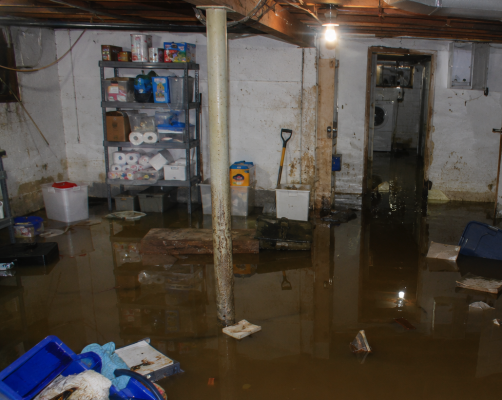
Fast Help for a Flooded Basement
A flooded basement can damage flooring, drywall, insulation, stored belongings, electrical systems, and structural materials. Water may also remain trapped behind walls or beneath finished flooring after the visible standing water has been removed.
Harper Special Services provides 24/7 basement flood cleanup throughout Savannah and surrounding communities. Our team removes water from flooded basements, identifies hidden moisture, dries affected materials, protects belongings when possible, and prepares damaged areas for necessary repairs.
Whether the flooding was caused by heavy rain, groundwater intrusion, a failed sump pump, a plumbing problem, an appliance leak, or another water source, we develop the cleanup and drying plan around the conditions inside the basement.

Understanding Basement Flood Damage
Basements are especially vulnerable to water damage because they are located below ground level. Water may enter through foundation cracks, window wells, plumbing systems, floor drains, exterior doors, or areas where groundwater collects around the building.
Even a small amount of basement flooding can affect a large area. Water can soak into carpet, drywall, wood framing, insulation, cabinets, and stored materials. In finished basements, moisture may spread behind walls or beneath flooring without being immediately visible.
Professional basement water removal and structural drying help limit additional moisture damage after flooding. Our team uses moisture-detection equipment to identify affected areas, determine which materials may need to be removed, and monitor drying progress throughout the basement.
Basement Flood Cleanup Services
Harper Special Services provides the cleanup, drying, moisture control, contents protection, and repair services needed after basement flooding throughout Savannah and surrounding communities.
- 24/7 basement flood cleanup
- Basement water removal
- Flooded basement cleanup
- Standing water removal from basements
- Basement moisture inspection
- Basement structural drying
- Basement dehumidification
- Wet carpet & flooring removal
- Drywall & insulation removal
- Wall & framing drying
- Basement cleaning & sanitizing
- Basement odor control
- Contents moving & protection
- Stored belongings assessment
- Moisture monitoring
- Sump pump failure water cleanup
- Groundwater intrusion cleanup
- Stormwater basement cleanup
- Basement repairs & reconstruction
- Insurance documentation & coordination


24/7 Basement Flood Cleanup in Savannah

We’ll Work With
Your Insurance
We document the affected areas and communicate with insurance representatives to help keep the claim and restoration process organized.

24/7 Emergency
Response
Basement flooding can happen during storms, overnight, or while a property is unoccupied. Our team is available day or night.

IICRC Certified
Company
Our technicians follow established restoration practices for water extraction, moisture monitoring, cleaning, and structural drying.

Locally Owned
& Operated
As a local Savannah company, we understand the flooding and moisture problems that can affect properties throughout the area.
Why Fast Basement Water Removal Matters
Water can continue soaking into building materials long after it first enters the basement. The longer materials remain wet, the greater the risk of swelling, staining, deterioration, odors, and mold growth.
Harper Special Services responds quickly to remove standing water and begin controlled drying. We inspect flooring, walls, insulation, framing, cabinets, and other materials to determine how far the moisture has spread.
Our team installs professional air movers and dehumidifiers based on the size and layout of the affected area. Moisture levels are monitored throughout the process so drying is based on actual readings rather than appearance alone.
If water-damaged materials cannot be saved, our reconstruction team can complete necessary basement repairs, including drywall replacement, painting, flooring repairs, trim installation, and other damaged-area repairs after drying is complete.
Get Basement Flood Help
Common Causes of Basement Flooding
Heavy Rain and Stormwater
Heavy rainfall can overwhelm exterior drainage systems and cause water to collect around the foundation. Water may then enter through cracks, basement doors, windows, or other openings.
Broken or Burst Pipes
A failed water line, supply pipe, or plumbing connection can release a significant amount of water into a basement before the problem is discovered.
Sump Pump Failure
A sump pump may stop working because of a power outage, mechanical failure, blocked discharge line, or an amount of water that exceeds the system’s capacity.
Sewage or Drain Backups
A backed-up sewer line, floor drain, or septic system can introduce contaminated water into the basement and requires specialized cleaning and sanitizing.
Foundation Cracks
Cracks in basement walls or floors may allow groundwater to enter during periods of heavy rain or high soil saturation.
Window Well Flooding
Blocked drains or poor grading around basement windows can cause window wells to fill with water and leak into the property.
Water Heater & Appliance Leaks
Water heaters, washing machines, utility sinks, and other basement appliances can leak or fail, causing water to spread across the floor.
Poor Exterior Drainage
Clogged gutters, short downspouts, improper grading, and drainage problems can direct water toward the foundation instead of away from the building.

Our Basement Flood Cleanup Process

Assess the Flooded Basement
We inspect the basement, identify the apparent water source, determine where the water has traveled, evaluate the condition of affected materials, and determine whether contamination may be present.
Stop or Address the Water Source
The source of the flooding should be stopped or controlled before cleanup can proceed effectively. Depending on the cause, this may involve a plumbing repair, sump-pump issue, drainage problem, roof or storm damage, or another specialized service.
Remove Standing Basement Water
Professional equipment is used to remove standing water from the flooded basement. Prompt water removal helps reduce continued absorption into flooring, drywall, insulation, framing, contents, and other materials.
Move & Protect Basement Contents
Furniture, boxes, stored belongings, appliances, and other contents may be moved, elevated, or protected when needed to reduce additional exposure and allow access to affected areas.
Remove Unsalvageable Materials
Carpet padding, drywall, insulation, trim, flooring, and other materials that cannot be effectively dried or safely retained may need to be removed before drying can be completed.
Clean & Sanitize
Affected areas are cleaned based on the source and conditions of the water. If sewage or contaminated water is present, specialized sewage-cleanup procedures may be required.
Dry & Dehumidify the Basement
Professional air movers and dehumidifiers are positioned throughout affected areas to reduce moisture in building materials and the surrounding air. Moisture readings are monitored throughout the drying process.
Complete Basement Repairs
After affected areas are dry, our reconstruction team can repair damaged drywall, insulation, flooring, trim, paint, cabinets, and other basement materials when needed.
What Caused Your Basement to Flood?
Basement flooding can have several causes. If your water problem involves a broken pipe, sewage backup, hidden leak, storm damage, or another specific source, Harper Special Services offers dedicated services for those situations.
View All Our Water Damage Services
Get Help Now!

Frequently Asked Basement Flood Cleanup Questions
Do you provide 24/7 basement flood cleanup in Savannah, GA?
Yes. Harper Special Services provides 24/7 basement flood cleanup throughout Savannah and surrounding communities. We can remove standing water, inspect affected materials, begin structural drying, monitor moisture, and complete necessary basement repairs.
What should I do first when my basement floods?
Avoid entering a flooded basement if there may be electrical hazards, sewage contamination, structural damage, or deep water. If it can be done safely, stop the source of the water and keep people and pets away from the affected area. Contact Harper Special Services for basement flood cleanup as soon as possible.
How quickly should water be removed from a flooded basement?
Standing basement water should be addressed as soon as conditions are safe. Water can continue absorbing into drywall, flooring, insulation, framing, cabinets, belongings, and other materials even after the original water source has stopped.
What is the difference between basement water removal and water extraction?
Both terms describe removing unwanted water from a property. On this page, basement water removal refers specifically to removing standing water from a flooded basement and beginning the drying process. Harper also provides general water extraction services for water emergencies elsewhere in the property.
What causes basements to flood?
Common causes include heavy rainfall, groundwater intrusion, foundation cracks, flooded window wells, sump pump failures, broken pipes, appliance or water-heater leaks, drainage problems, and sewage or floor-drain backups. The cleanup approach depends on the source and conditions of the water.
Can a sump pump failure cause basement flooding?
Yes. A sump pump can stop removing groundwater because of a power outage, mechanical failure, blocked discharge line, or water entering faster than the system can handle. If a sump pump failure causes basement flooding, the water should be removed and affected materials inspected and dried.
Can water remain hidden after the basement looks dry?
Yes. Moisture can remain beneath flooring, behind finished walls, inside insulation, and in other building materials after visible standing water is gone. Moisture-testing equipment helps identify affected materials and monitor drying progress.
Can basement flooding cause mold?
Wet basement materials can create conditions that support mold growth when moisture remains for an extended period. Prompt water removal, structural drying, dehumidification, and moisture monitoring help reduce prolonged damp conditions. If mold is discovered, specialized mold remediation may be needed.
Can you clean up sewage that floods a basement?
Yes. Harper Special Services handles sewage backup cleanup, but sewage-contaminated water requires additional cleaning, disinfection, material-removal, and safety procedures beyond ordinary basement water removal.
How long does it take to dry a flooded basement?
Drying time depends on the amount of water, size and layout of the basement, materials affected, indoor conditions, and how long the area was wet. Air movers, dehumidifiers, and moisture readings are used to determine drying progress rather than relying only on how surfaces look or feel.
We work with all major insurance providers:











Get Help With Basement Flood Damage
Standing water can continue damaging basement materials and belongings after the initial flooding stops. Contact Harper Special Services for 24/7 basement water removal, flood cleanup, structural drying, and repairs throughout Savannah and surrounding communities.
"*" indicates required fields