
Find Hidden Water Leaks & Moisture Before Damage Spreads
Not every water leak creates an obvious puddle. Moisture can collect behind drywall, beneath flooring, above ceilings, inside cabinets, and in other concealed areas before visible damage appears.
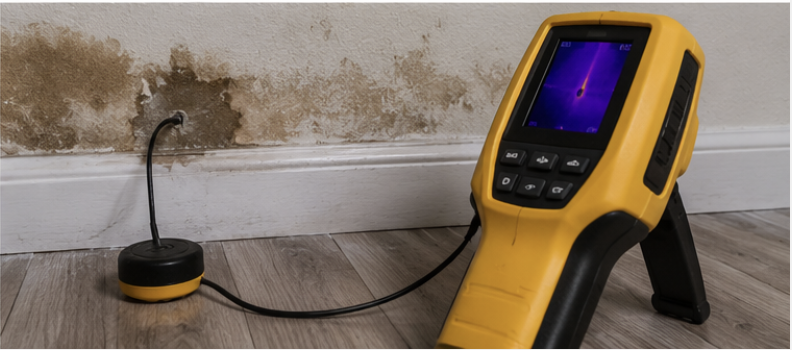
Harper Special Services provides water leak detection and moisture inspections throughout Savannah and surrounding communities. Using moisture meters, thermal imaging, and visual inspection methods, our team identifies affected materials, maps where moisture has spread, and helps narrow the likely source area.
Once the source has been identified and stopped, we can help determine what cleanup, drying, material removal, or repairs may be needed. If the source requires plumbing, roofing, HVAC, appliance, or other specialized repair, the appropriate trade may need to address the underlying problem first.

Understanding the Full Impact of Hidden Water Leaks
Hidden leaks often develop inside walls, ceilings, floors, attics, crawlspaces, and areas surrounding plumbing fixtures. The water may travel away from the original source before staining and damaging your home or business.
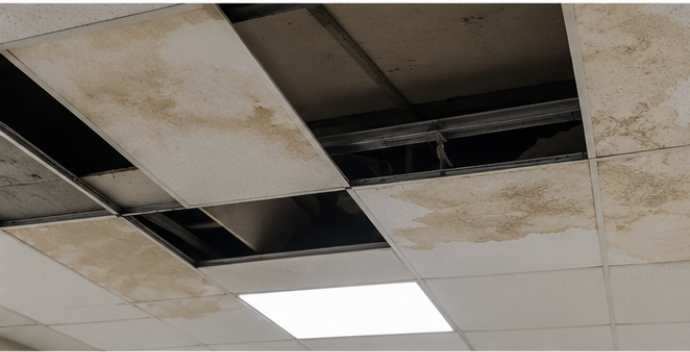
A ceiling stain, for example, does not always mean the leak is directly above that location. Water may follow pipes, framing, insulation, or other building materials before reaching the visible area.
Professional moisture detection helps identify which materials are affected and how far moisture has spread, allowing cleanup and drying recommendations to focus on the areas that actually need attention.
Water Leak & Moisture Detection Services
- Hidden moisture detection
- Water damage inspections
- Moisture mapping
- Thermal imaging inspections
- Wall moisture checks
- Ceiling moisture checks
- Flooring & subfloor moisture inspections
- Cabinet & kitchen moisture inspections
- Bathroom leak damage inspections
- Attic moisture inspections
- Crawlspace moisture inspections
- Roof leak damage inspections
- Appliance leak damage inspections
- Plumbing leak damage inspections
- Moisture monitoring
- Recurring moisture investigations
- Documentation of affected materials
- Commercial moisture inspections


24/7 Water Leak & Moisture Detection in Savannah

We’ll Work With
Your Insurance
We document visible damage, moisture readings, affected materials, and restoration work to help keep the insurance process organized.

24/7 Emergency
Response
Active leaks can continue damaging walls, flooring, ceilings, and belongings. Our team is available day or night for water damage emergencies.

IICRC Certified
Company
Our trained technicians use professional moisture-inspection, drying, and monitoring procedures to evaluate water-damaged materials and document affected areas.

Locally Owned
& Operated
As a local Savannah company, we respond to area homeowners, businesses, property managers, and facility managers when water damage is discovered.
Why Early Leak Detection Matters
A hidden leak may continue for days or weeks before the damage becomes noticeable. Finding the affected area early can reduce the amount of material damage and help prevent moisture from spreading into additional spaces. It may also reduce the scope of demolition and reconstruction needed.
Harper Special Services uses moisture meters, thermal imaging, and visual inspection methods to evaluate areas where water damage is suspected. The findings help us determine what is wet and what restoration work may be required.
If the inspection identifies water-damaged materials, we will explain the next steps based on what is wet and what caused the problem. Depending on the conditions, the property may need water removal, structural drying, damaged-material removal, plumbing or roof repairs, or broader water damage restoration.
Get Leak Detection Help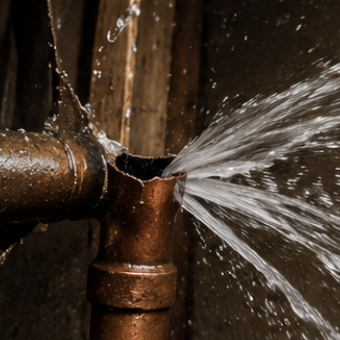
Signs You May Have a Hidden Water Leak
- Brown or yellow ceiling stains
- Peeling or bubbling paint
- Soft or swollen drywall
- Warped flooring
- Loose floor tiles
- Swollen cabinets or baseboards
- Damp carpet
- Musty odors
- Unexplained indoor humidity
- Dripping sounds inside walls
- Water appearing near plumbing fixtures
- Recurring mold growth
- Unexplained increases in water usage
- Wet spots that return after drying
- Discoloration around vents or light fixtures
Common Places Hidden Water Leaks Develop
Behind Walls
Supply lines, drainpipes, plumbing connections, and pipes serving bathrooms or kitchens may leak inside wall cavities.
Beneath Floors
Water can spread beneath hardwood, laminate, vinyl, tile, carpet, and subflooring before becoming visible at the surface.
Above Ceilings
Roof leaks, bathroom plumbing, HVAC drain lines, and pipes between floors can cause water to collect above ceilings.
Under Sinks & Cabinets
Loose connections, drain leaks, faucet supply lines, garbage disposals, and dishwashers can damage cabinets and surrounding flooring.
Around Toilets & Showers
Failed seals, damaged grout, plumbing connections, shower pans, and drain problems can allow water to enter floors and walls.
Near Water Heaters
Water heater tanks, valves, connections, and drain pans may leak slowly or fail suddenly.
In Attics
Roof damage, flashing failures, condensation, HVAC equipment, and overhead plumbing can introduce moisture into attic insulation and ceilings.
In Crawlspaces & Basements
Plumbing leaks, drainage problems, groundwater, and high humidity can affect floor framing, insulation, and subflooring.

Our Water Leak Detection & Moisture Inspection Process

Review the Signs & Inspect the Area
We discuss what you have noticed and inspect the affected and surrounding areas for visible signs of water damage, moisture, staining, deterioration, or other conditions that may help identify where the problem began.
Scan for Hidden Moisture
Moisture meters, thermal imaging, and visual inspection methods are used to identify materials that may contain elevated moisture even when the surface does not appear wet.
Map the Affected Materials
We determine which walls, ceilings, flooring, cabinets, insulation, or other building materials show signs of moisture and document how far the affected area extends.
Trace the Water Path
Water does not always appear directly beneath its source. We evaluate how moisture may have traveled through framing, flooring systems, ceilings, wall cavities, pipes, or other materials.
Narrow the Likely Source Area
Based on visible conditions and moisture readings, we help narrow where the water appears to be entering the property. Additional plumbing, roofing, HVAC, appliance, or other testing may be recommended when necessary to confirm the cause.
Address the Water Source
The leak or water source should be stopped before drying and repairs are completed. Depending on the cause, this may require plumbing, roofing, HVAC, appliance, or another specialized repair.
Plumbing problem? Learn about our emergency plumbing services.
Document Findings & Recommend Next Steps
We document affected areas and moisture conditions and explain what may be needed next, such as water removal, drying, material removal, repairs, or additional specialized service.
Dealing With More Than Standing Water?
Water emergencies can involve more than water removal alone. If your property has a broken pipe, hidden leak, sewage backup, flooding, or more extensive damage, Harper Special Services offers specialized services for each situation.
View All Our Water Damage Services
Get Help Now!

Frequently Asked Water Extraction Questions
Do you provide water leak detection in Savannah, GA?
Yes. Harper Special Services provides water leak detection and moisture inspections throughout Savannah and surrounding communities. We use professional moisture meters, thermal imaging, visual inspection methods, and moisture mapping to identify affected materials and help narrow the likely source area.
How do you find a hidden water leak?
Hidden water leaks are investigated by looking for visible damage, checking building materials for elevated moisture, using thermal imaging where appropriate, and evaluating how water may have traveled through walls, ceilings, floors, cabinets, and surrounding areas. The findings can help narrow the likely source, although additional testing or access may sometimes be required to confirm the exact cause.
Can thermal imaging locate a water leak?
Thermal imaging can identify temperature patterns that may indicate hidden moisture, but it does not always identify the exact source of a leak by itself. Thermal images are evaluated together with moisture readings, visible conditions, and other inspection findings to determine which areas need closer investigation.
Can you detect water behind walls without removing the drywall?
In many situations, moisture meters and thermal imaging can help identify areas of elevated moisture before the wall is opened. However, limited access or material removal may still be necessary to confirm concealed damage, determine the source, or properly dry the wall cavity.
Can you detect moisture underneath flooring?
Yes. Moisture testing can help identify areas where water may be affecting carpet, hardwood, laminate, vinyl, tile, or the subfloor beneath them. Depending on the flooring type and the extent of the moisture, some materials may need to be lifted or removed for further inspection or drying.
What are the signs of a hidden water leak?
Common warning signs include ceiling or wall stains, peeling paint, swollen drywall, warped flooring, damp carpet, musty odors, unexplained humidity, dripping sounds, recurring wet areas, swollen cabinets, or unexplained increases in water usage.
What is the difference between water leak detection and water damage restoration?
Water leak detection focuses on identifying where moisture is present, how far it has spread, and where the water may be coming from. Water damage restoration addresses the damage after the source has been stopped and may include water removal, structural drying, material removal, cleaning, repairs, and reconstruction.
Do you repair the leak after you find it?
It depends on what is causing the leak. Plumbing-related problems may fall within Harper Special Services’ emergency plumbing capabilities, while roof, HVAC, appliance, or other sources may require the appropriate specialized contractor. The water source should be corrected before damaged areas are fully dried and repaired.
What happens if you find hidden water damage?
If water damage is found, the next steps depend on how much moisture is present, which materials are affected, and what caused the problem. The property may require water removal, structural drying, damaged-material removal, cleaning, repairs, or other specialized services after the source has been stopped.
Can a hidden water leak cause mold?
Persistent moisture can create conditions that support mold growth in materials such as drywall, insulation, framing, cabinets, and flooring. If mold is discovered, the moisture source should be addressed before the affected area is properly dried and any necessary mold remediation is completed.
We work with all major insurance providers:









Suspect a Hidden Water Leak? Call Us Day or Night
Don’t wait for hidden moisture to become visible damage. Contact Harper Special Services for water leak detection, moisture inspections, and thermal imaging throughout Savannah and surrounding communities.
"*" indicates required fields